
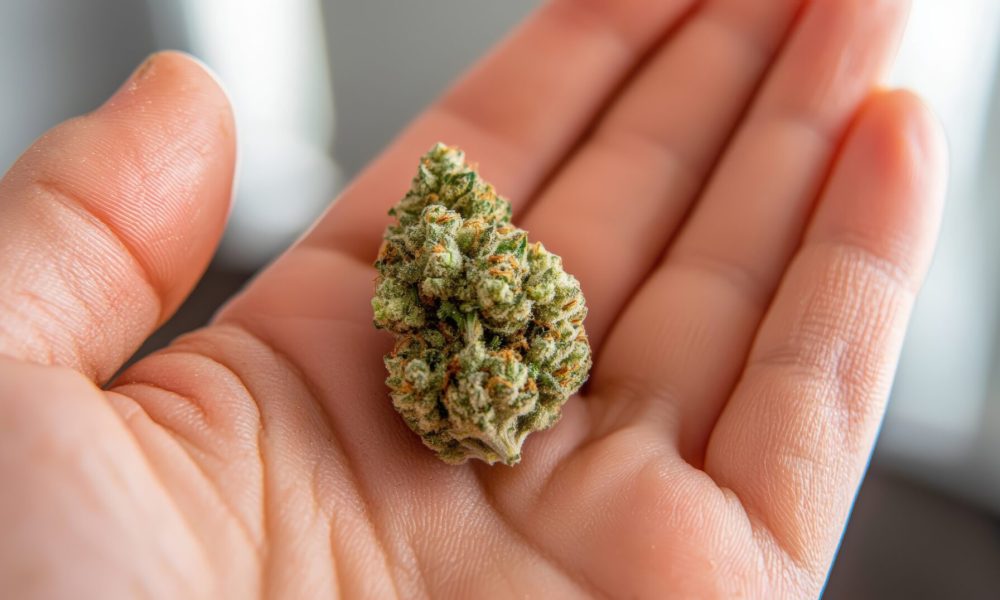
Pick up a cannabis flower, and you may notice an unmistakable tackiness on your fingers. That texture is not random. Sticky cannabis gets much of its tacky feel from resin produced by tiny glandular structures called trichomes.
These trichomes cover cannabis flowers and produce compounds such as cannabinoids and terpenes. When resin is abundant, the surface can feel noticeably sticky.
But stickiness is easy to misunderstand. A very sticky cannabis flower is not automatically stronger, fresher, or higher quality than one that feels less tacky. Texture is only one part of the story.
Here is what actually makes cannabis sticky, why some flowers feel tackier than others, and what that texture can—and cannot—tell you.
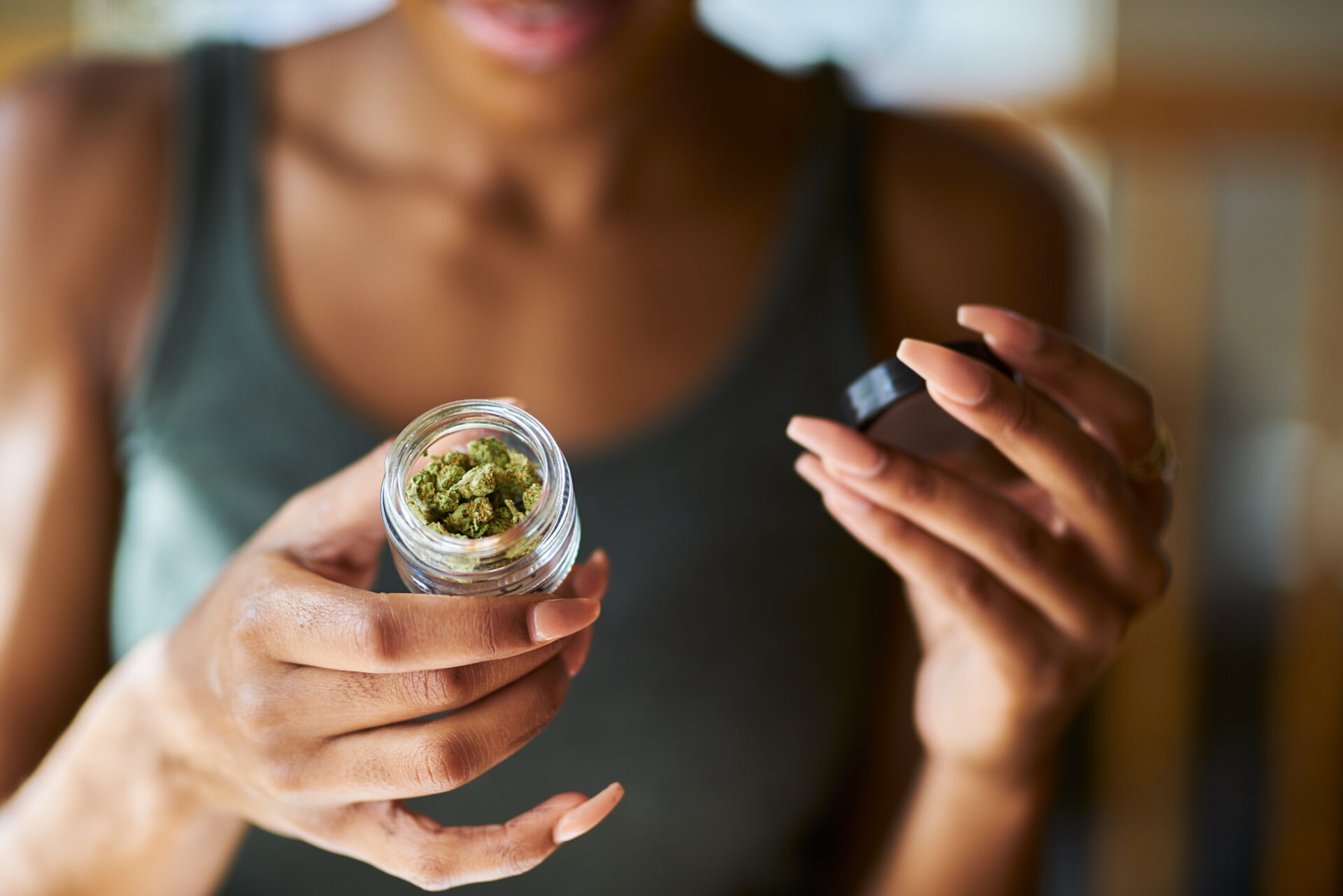
What Makes Sticky Cannabis Feel Sticky?
The short answer is resin.
Cannabis flowers are covered with microscopic glandular trichomes that produce and store a complex resin containing cannabinoids, terpenes, and other plant compounds. According to research on cannabis glandular trichomes, these structures act as specialized metabolite factories on the plant.
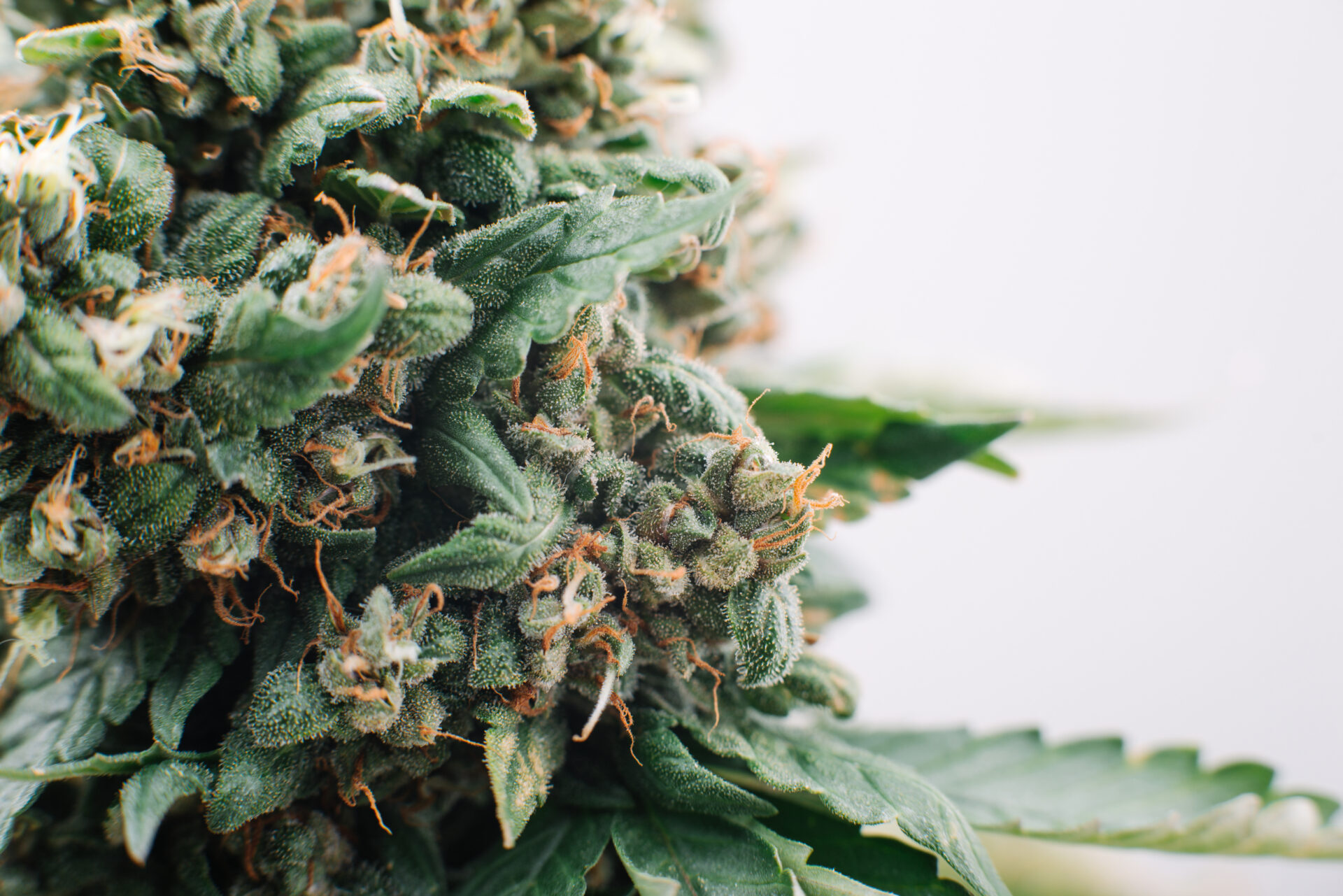
Under magnification, many trichomes look like tiny translucent or cloudy glands rising from the flower’s surface. The largest and most prominent are often called capitate-stalked trichomes. These are especially abundant on female cannabis flowers and are major sites of resin production and storage.
That resin can create the tacky sensation associated with sticky cannabis. When you touch the flower, a small amount may transfer to your fingertips, making them feel slightly adhesive.
The same basic resin system is also connected to the flower’s aroma. Cannabis plants accumulate terpene-rich resin in glandular trichomes, and those aromatic compounds help create the distinctive scent profiles associated with different cultivars.
Trichomes Are the Source of Cannabis Resin
Trichomes are one of the most visually recognizable features of cannabis flower. To the naked eye, dense trichome coverage may make a flower look frosted, sparkling, or dusted with tiny crystals.
Cannabis has several types of glandular trichomes, including:
- Bulbous trichomes: Very small structures found across parts of the plant.
- Capitate-sessile trichomes: Larger glands that sit close to the plant surface.
- Capitate-stalked trichomes: Prominent structures with a stalk and glandular head, especially common on mature flowers.
Research has shown that cannabinoids and terpenes are produced and accumulated within these glandular structures. As trichomes develop and mature, the chemical composition of the resin can also change.
This is why sticky cannabis is often associated with visible trichome coverage. More resin on the surface can contribute to a tackier texture.
However, appearances can be deceptive. A flower can look heavily frosted without feeling exceptionally sticky, while another may feel tacky even when its trichomes are less obvious to the naked eye. Genetics, moisture, handling, temperature, and storage all influence the final texture.
Why Are Some Cannabis Flowers Stickier Than Others?
There is no single reason one flower feels significantly stickier than another. Several factors work together.
1. Genetics
Some cannabis cultivars naturally produce more glandular trichomes or resin than others. Genetics influence trichome density, resin production, flower structure, terpene composition, and many other visible or sensory characteristics.
That means two flowers grown under similar conditions may still feel completely different. One may be dense and tacky, while another feels lighter and drier because the plants express different traits.
2. Flower maturity
Trichomes develop throughout flowering. As the plant matures, resin-producing structures increase and change. Research on trichome development shows that cannabis glandular trichomes undergo distinct stages as flowers mature.
A properly developed flower may therefore have more pronounced resin coverage than one harvested at a different stage. Still, maturity alone does not determine whether a finished product will feel sticky after drying and curing.
3. Drying and curing
Freshly harvested cannabis contains substantial moisture and must be dried before it reaches the familiar texture of finished flower. Drying removes water, while curing and storage conditions continue shaping the flower’s moisture balance, aroma, and physical character.
A peer-reviewed review of postharvest cannabis operations explains how drying, curing, and storage can affect cannabinoids, terpenes, moisture, and overall product quality.
Sticky cannabis should feel tacky because of surface resin—not simply wet because excessive moisture remains in the plant material.
4. Storage conditions
Heat, light, oxygen, humidity, and time can all influence cannabis after harvest. Poor storage may alter aroma, texture, and the condition of delicate trichomes.
A well-stored flower may retain a more balanced texture, while flower exposed to excessive heat or dry air may become brittle. For practical storage tips, read our guide on how to store cannabis to keep it fresh.
5. Handling
Trichomes are delicate. Repeated touching, squeezing, grinding, and unnecessary movement can break or remove them from the flower’s surface.
Warm fingers can also make resin feel more noticeable because heat affects its texture. This is one reason the same sticky cannabis flower may feel different depending on room temperature and how long it is handled.
Is Sticky Cannabis the Same as Wet Cannabis?
No. Sticky and wet are not the same thing.
Properly finished sticky cannabis may feel tacky or slightly adhesive when pressed gently, but it should not feel soaked, mushy, or unusually damp.
A useful distinction is texture:
- Sticky: Tacky surface caused largely by resin and trichomes.
- Moist: Contains some flexibility and does not crumble immediately.
- Overly wet: Feels damp, spongy, or unusually heavy because too much moisture may remain.
- Overly dry: Crumbles easily and may feel brittle or dusty.
This distinction matters because stickiness by itself can be a normal plant characteristic, while excess moisture may point to incomplete drying or improper storage.
The goal is not maximum stickiness at any cost. A balanced flower should be evaluated by its full condition, including aroma, appearance, moisture, trichomes, handling, labeling, and storage history.
Does Sticky Cannabis Mean Higher Potency?
Not automatically.
This is one of the biggest myths surrounding sticky cannabis. Because glandular trichomes are major sites for cannabinoid production and storage, it is understandable that people associate visible resin with potency. But texture alone cannot tell you the exact cannabinoid concentration of a finished flower.
A very sticky cannabis flower could have one cannabinoid profile, while a less sticky flower could have another. Genetics, trichome density, resin composition, curing, storage, and environmental conditions all complicate the relationship between touch and actual laboratory measurements.
The most reliable way to understand cannabinoid content is to review available product labeling and testing information rather than making assumptions based solely on feel.
Our guide to reading cannabis labels, THC percentages, terpenes, and more explains how to interpret the numbers and information found on product labels.
The simple takeaway: sticky cannabis may indicate abundant resin, but stickiness is not a potency test.
Does Sticky Cannabis Mean Better Quality?
Again, not by itself.
Texture can be one useful observation, but overall quality is broader than whether flower leaves residue on your fingers. A complete evaluation should consider:
- visible trichome condition
- aroma
- moisture balance
- flower structure
- freshness
- storage
- handling
- labeling and available testing information
A very sticky flower could still be poorly stored or excessively moist. A less sticky flower could still be aromatic, well-cured, properly stored, and consistent with its natural genetics.
For a broader checklist, see our guide to 10 tips for finding quality cannabis.
The better approach is to look at the whole flower rather than making a judgment based on one characteristic.
How Resin, Terpenes, and Aroma Are Connected
Sticky cannabis often has a noticeable aroma because trichomes produce and store terpenes alongside cannabinoids. Terpenes are volatile aromatic compounds that help create the citrus, pine, floral, earthy, sweet, herbal, and other scent profiles associated with cannabis.
Research on terpene synthases in Cannabis sativa confirms that cannabis accumulates terpene-rich resin in glandular trichomes on female flowers.
That does not mean the stickiest flower will always have the strongest smell. Terpene profiles vary by genetics, and volatile compounds can change during drying, curing, storage, and handling.
Two equally sticky cannabis flowers may smell completely different because they contain different combinations and concentrations of aromatic compounds.
To go deeper, read our article on how terpenes shape the flavor of cannabis strains.
Can Cannabis Be Too Sticky?
Sometimes what feels extremely sticky may actually be excessive moisture rather than resin alone.
That is why texture should be judged carefully. A flower that feels lightly tacky, springs back somewhat when gently compressed, and separates without feeling soaked is different from one that feels unusually wet or spongy.
When evaluating sticky cannabis, ask:
- Does the surface feel resinous or simply damp?
- Does the flower hold together naturally without feeling mushy?
- Does it have a clean, characteristic aroma rather than a stale or musty smell?
- Does it appear properly dried rather than visibly wet?
- Is there clear product information available?
No single observation gives a complete answer, but combining these clues provides much better context.
How to Evaluate Sticky Cannabis Without Relying on Stickiness Alone
The best way to evaluate cannabis flower is to look at multiple characteristics together.
Look at the trichomes
Dense, intact trichomes can give flower a frosty appearance. Use good lighting and look closely at the surface rather than focusing only on color.
Notice the aroma
A distinct aroma can provide clues about the terpene profile and overall condition. Different cultivars naturally smell different, so there is no single correct scent.
Check the texture
Sticky cannabis should feel tacky rather than soaked. Flower should not be so dry that it turns to powder with minimal pressure or so wet that it feels spongy.
Read the label
Cannabinoid percentages, terpene information, batch details, and testing data provide information that touch alone cannot.
Consider the complete product
No single visual or tactile feature proves quality. The best assessment combines appearance, aroma, texture, product information, and proper storage.
You can also explore 42 Degrees’ selection of THC and cannabis products to compare different product formats and learn more about available options.
Frequently Asked Questions About Sticky Cannabis
Why is my cannabis sticky?
Cannabis usually feels sticky because glandular trichomes on the flower produce resin. This resin contains cannabinoids, terpenes, and other plant compounds and can create a tacky surface texture.
Is sticky cannabis stronger?
Not necessarily. Although cannabinoids are produced and stored in glandular trichomes, stickiness alone cannot reveal exact cannabinoid content or potency. Product labeling and testing information provide better evidence.
Does sticky cannabis mean it is fresh?
Not automatically. Freshness, moisture, genetics, curing, storage, and resin production all influence texture. A sticky flower can be fresh, but stickiness by itself does not prove freshness.
Why is some cannabis dry instead of sticky?
Genetics, trichome density, drying, curing, age, storage, handling, and humidity can all affect texture. Some cultivars also naturally feel less tacky than others.
Should cannabis feel wet?
Properly finished flower may retain some flexibility and moisture, but it should not feel soaked, mushy, or unusually damp. Sticky resin and excess water are not the same thing.
The Real Reason Cannabis Gets Sticky
The science behind sticky cannabis starts with glandular trichomes. These tiny structures produce and store resin containing cannabinoids, terpenes, and other compounds. When enough resin is present on the flower’s surface, it can create the tacky texture many people notice immediately.
But texture is influenced by more than resin alone. Genetics, maturity, drying, curing, storage, moisture, temperature, and handling can all change how sticky cannabis feels.
Most importantly, stickiness should never be treated as a shortcut for judging potency or overall quality. A tacky flower may have abundant resin, but only the full picture—including aroma, moisture, trichome condition, labeling, testing, and storage—can provide meaningful context.
So the next time a flower leaves your fingertips slightly sticky, you are feeling the result of one of the cannabis plant’s most distinctive features: its resin-producing trichomes.


