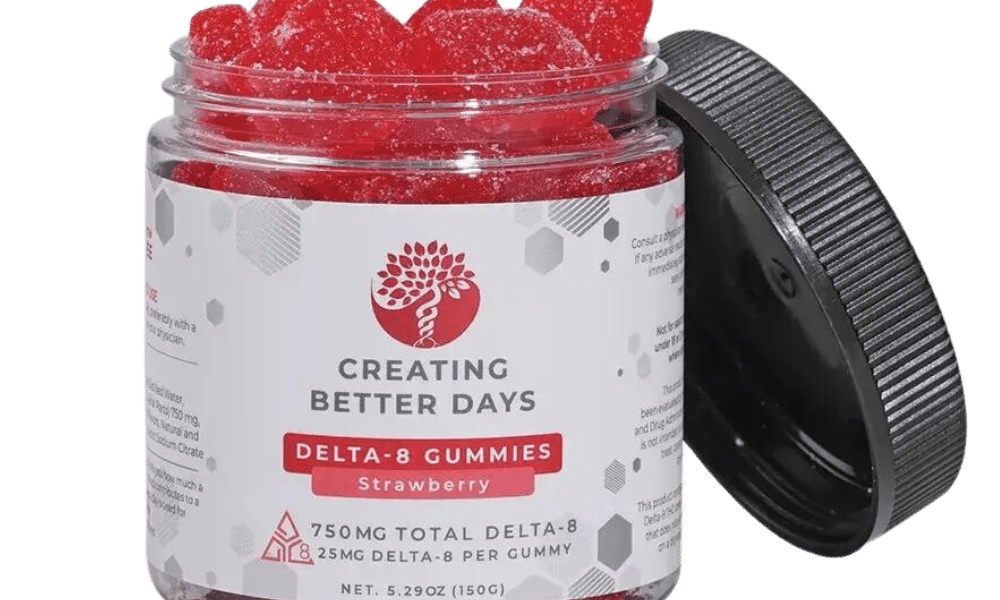
Cannabis packaging has become much more polished over the years. Sleek jars, colorful branding, clean design. But once you look past the aesthetics, you’ll usually find a label full of numbers, percentages, and terms that can feel a little unclear, especially if you’re new.
The good news is that reading a cannabis label is not complicated once you know what actually matters.
A label is basically a quick cheat sheet for what you’re about to consume. It tells you how strong it is, what kind of experience to expect, and whether the product has been properly tested.
Here’s what to look for when reading a cannabis label, and how to use that information to make smarter choices every time you shop.
THC Percentage: The First Number Everyone Notices
Most people start with THC, and that makes sense. THC is the cannabinoid responsible for the psychoactive effects of cannabis.
You will usually see it listed as a percentage for flower or as milligrams for edibles and cartridges.
A general breakdown:
- Low THC (under 10%): gentle, beginner-friendly
- Moderate THC (10–20%): noticeable but balanced
- High THC (20% and above): more intense, better for experienced users
One important thing to remember while reading a cannabis label is that THC is not the whole story. Higher THC does not automatically mean a better experience. Often, it just means a stronger one.
CBD Content: The Balancing Factor
CBD is another major cannabinoid, and it plays a very different role.
CBD does not create a high. Instead, it tends to support calm, balance, and body-based relaxation. Some products include CBD alongside THC to create a smoother effect.
You might see:
- High THC, low CBD for stronger psychoactive effects
- Balanced THC and CBD for a more even experience
- High CBD, low THC for minimal intoxication
If you want something more functional and less intense, CBD content is a key detail to look for when reading a cannabis label.
Terpenes: Where the Personality Lives
Terpenes are aromatic compounds found in cannabis that shape both flavor and effects. They are one of the most overlooked parts of the label, but they matter a lot.
Think of terpenes as the personality layer of the experience.
Common terpenes include:
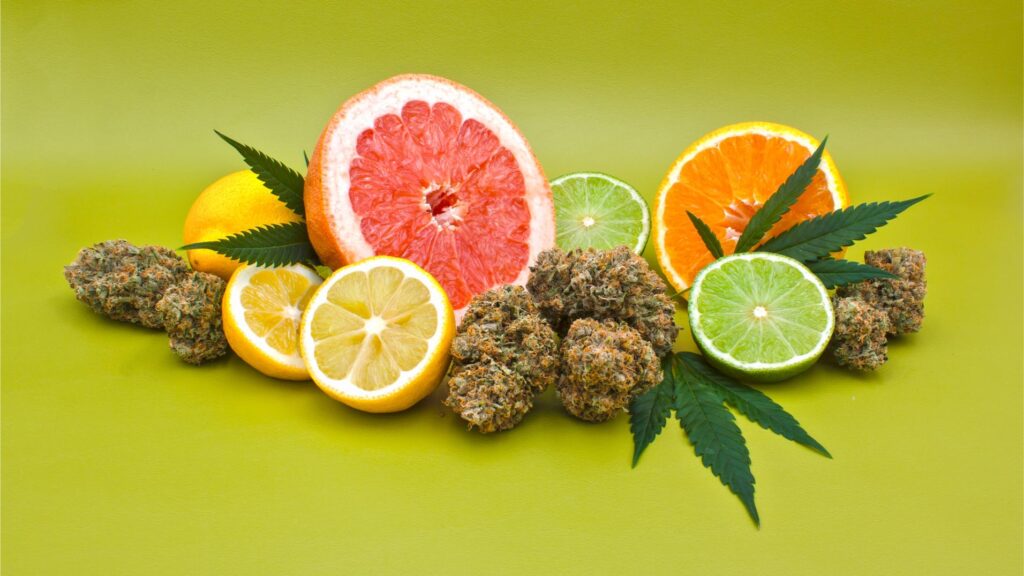
- Limonene: bright, citrusy, often uplifting
- Myrcene: earthy, calming, often relaxing
- Pinene: fresh, sharp, sometimes more alert
- Linalool: floral, soothing, often used for wind-down
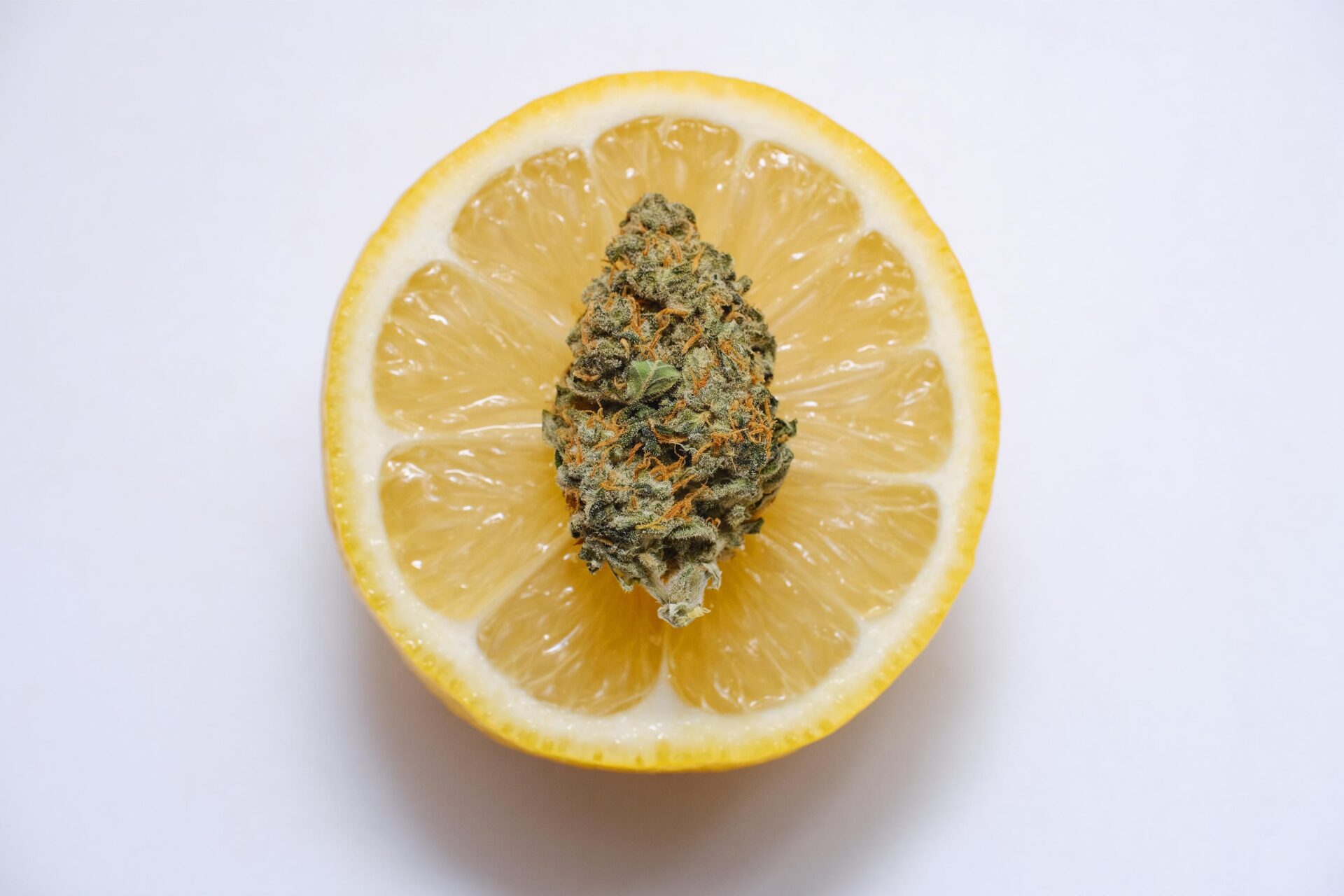
When reading a cannabis label, spotting terpene information can help you choose products based on how you want to feel, not just how strong they are.
Dosage Information: Especially Important for Edibles
If you are buying gummies, chocolates, drinks, or capsules, dosage is where you want to slow down and pay attention.
Edibles usually list:
- milligrams per serving
- total milligrams in the package
- number of servings included
For example, a package might contain 100 mg THC total, with 10 pieces at 10 mg each.
If you are newer to edibles, many people start with 2.5 to 5 mg and wait at least an hour before taking more.
Dosage is one of the most important sections when reading a cannabis label because it prevents you from guessing.
Batch Number and Testing Details
Legal cannabis products are lab-tested for safety and potency. Labels usually include:
- batch or lot number
- test date
- THC and CBD verification
- sometimes a QR code linking to a full lab report
Testing helps confirm that the product is free from contaminants like mold, pesticides, or heavy metals.
When reading a cannabis label, always look for evidence of transparent testing. It is one of the clearest signs of quality.
Packaged On Date and Freshness
Cannabis is a plant, and freshness matters.
Flower that has been sitting too long may lose potency, aroma, and flavor. Many products include a packaged-on date so you can tell how fresh it is.
This is especially helpful when comparing similar strains or deciding between two brands.
Reading a cannabis label closely means paying attention to freshness, not just potency.
Strain Type: Indica, Sativa, Hybrid
Most labels still include strain categories like indica, sativa, or hybrid. These can be useful as a general starting point, but they are not a perfect science.
A better approach is to combine strain type with terpene profile and cannabinoid content.
For example:
- A calming hybrid with myrcene may feel more relaxing than a strong indica with no terpene info
- A sativa with limonene may feel brighter regardless of THC level
When reading a cannabis label, use strain categories as a suggestion, not a guarantee.
Ingredients and Allergen Info
For infused products, labels should list ingredients clearly.
This matters for:
- Food allergies
- Sugar content
- Dietary preferences
- Flavorings or additives
Cannabis chocolates and gummies often include common allergens like dairy, soy, or nuts, so it’s worth checking.
What a Good Label Helps You Do
Once you get comfortable reading a cannabis label, shopping becomes much easier.
You can:
- Choose products that match your tolerance
- Understand what kind of effects to expect
- Avoid unpleasant surprises
- Compare options quickly
- Build confidence in what you’re buying
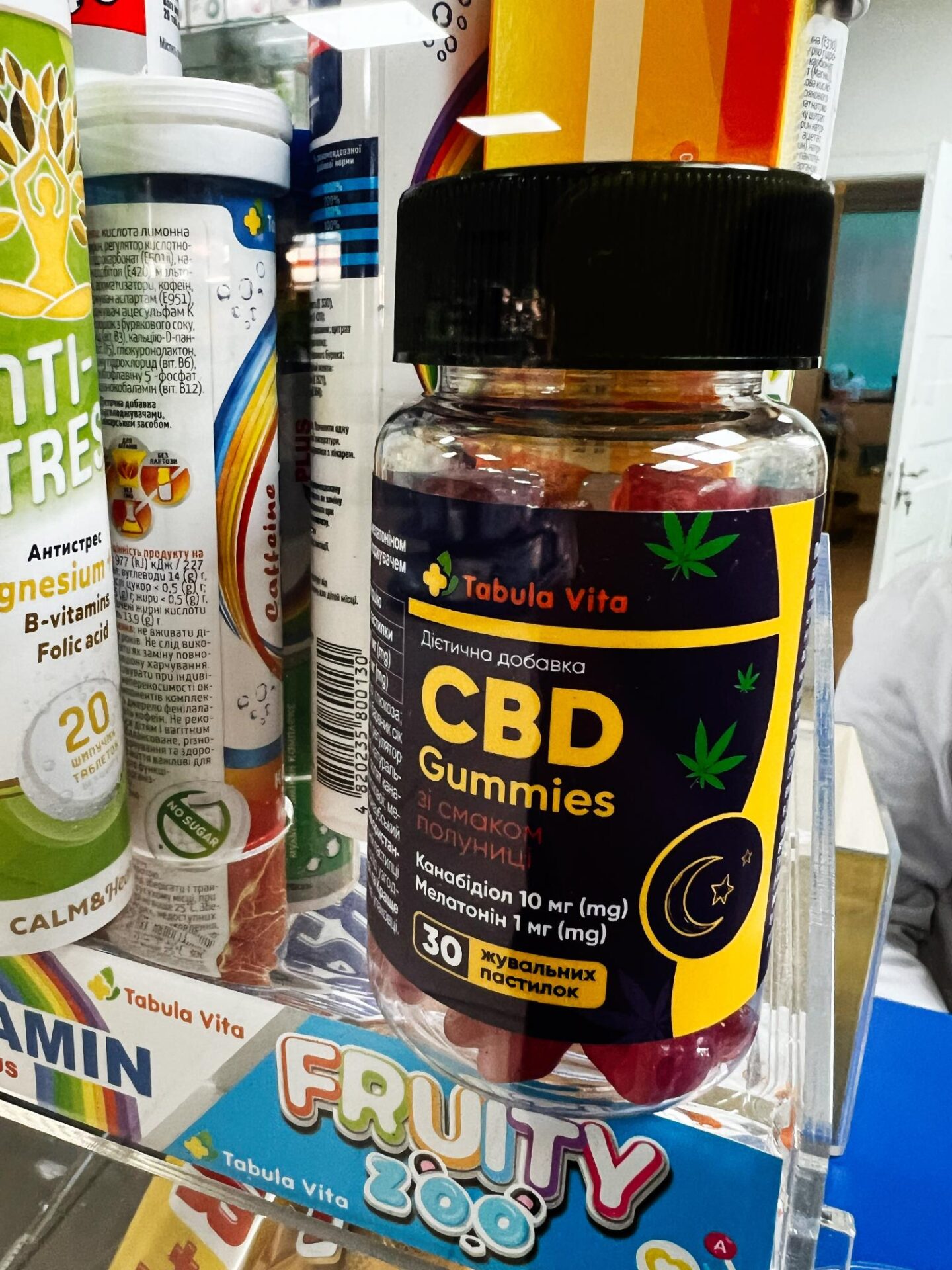
It turns cannabis shopping into an informed decision, not a guessing game.
The Takeaway: Labels Are Your Best Tool
Reading a cannabis label is one of the simplest ways to improve your experience. The more you understand THC, CBD, terpenes, dosage, and testing, the easier it becomes to choose products that actually fit your life.
You do not need to memorize everything. You just need to know what to look for.
And once you do, you’ll shop smarter every single time.