
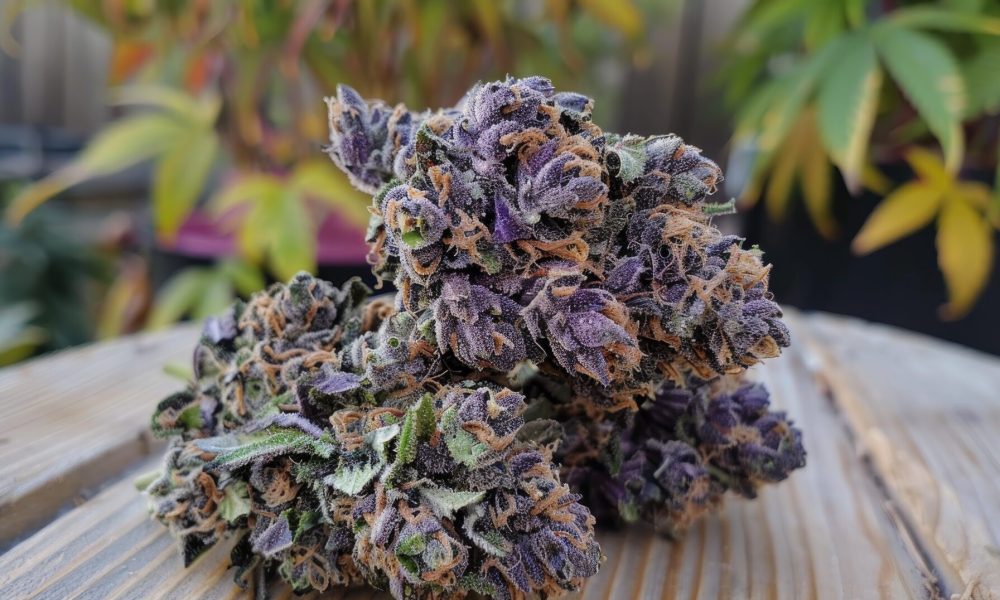
A purple cannabis flower stands out immediately. Deep violet, plum, lavender, and nearly black tones can make certain flowers look dramatically different from the bright green shades people typically associate with cannabis.
But why does some cannabis turn purple while other flowers stay green?
The answer comes down primarily to plant pigments called anthocyanins, along with genetics and growing conditions. Some cultivars are predisposed to develop strong purple coloration, while others show only subtle hints—or never turn purple at all.
Color is fascinating, but a purple cannabis flower is not automatically stronger, fresher, or better simply because of its appearance.
What Makes a Purple Cannabis Flower Purple?
The purple color comes largely from anthocyanins, a group of naturally occurring plant pigments within the broader flavonoid family. Anthocyanins are responsible for red, blue, and purple tones in many plants, including blueberries, blackberries, red cabbage, grapes, and certain flowers.
Research on Cannabis sativa has identified anthocyanins in both vegetative and floral tissues. One 2023 study found that cyanidin-3-rutinoside, also called keracyanin, was a major anthocyanin detected in cannabis tissues. More recent research has continued examining the genetic diversity behind anthocyanin production and the wide range of pigmentation seen across different cannabis cultivars.
You can explore the research in the peer-reviewed study When Cannabis sativa L. Turns Purple and additional work on leaf pigmentation and anthocyanin biosynthesis in Cannabis sativa.
In simple terms, a purple cannabis flower develops its color when the plant produces and accumulates enough of these pigments for violet, red, blue, or dark tones to become visible.
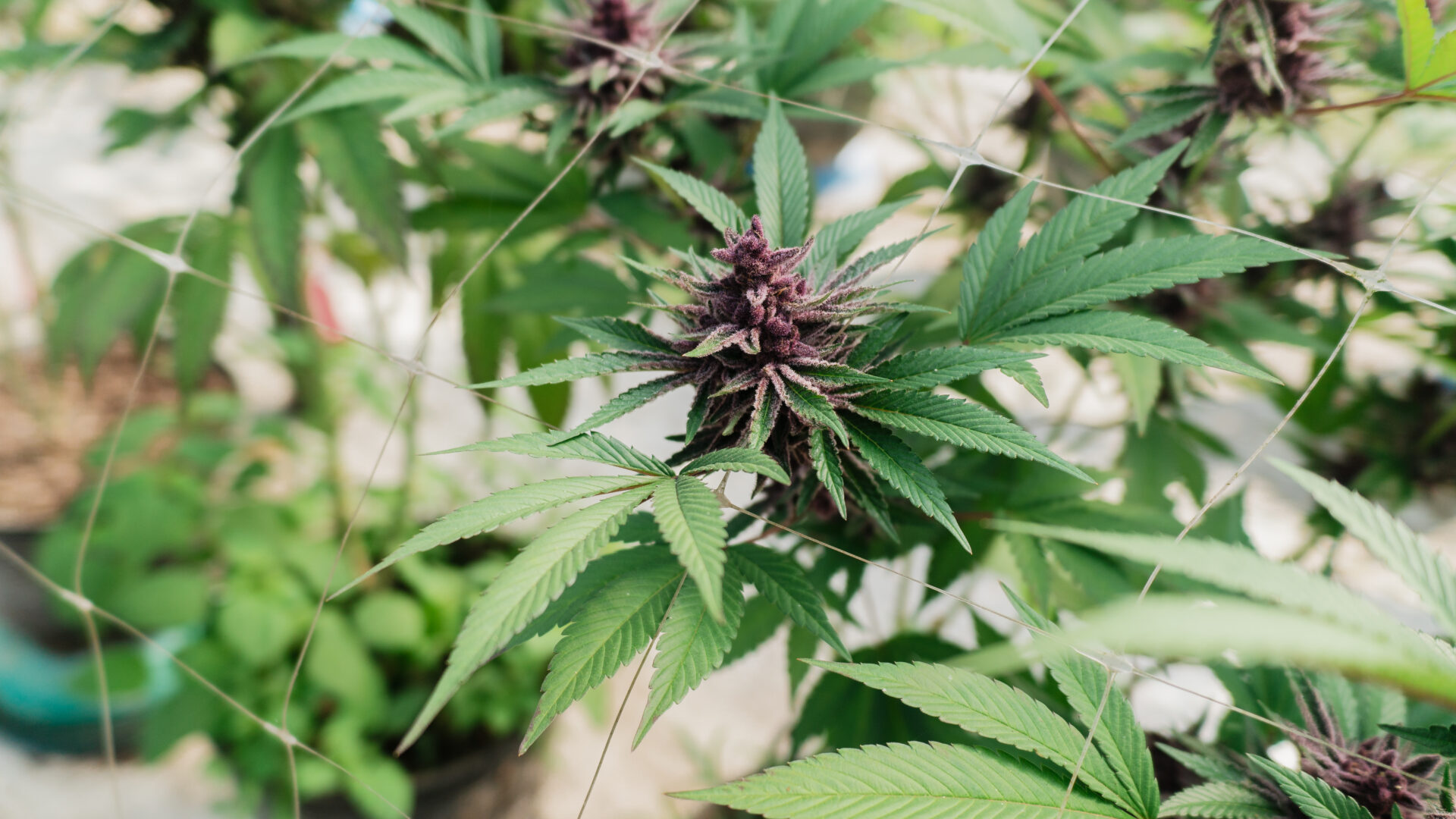
Genetics Are the Starting Point for Purple Color
Genetics are one of the biggest reasons some cannabis flowers turn purple and others do not.
A plant must have the genetic capacity to produce noticeable anthocyanin pigmentation. Some cultivars naturally express deep purple colors even under fairly stable growing conditions. Others may need specific environmental triggers before that genetic potential becomes visible. And some cultivars remain predominantly green regardless of temperature changes or maturity.
That means growers cannot reliably turn just any cannabis plant purple by changing one environmental variable. The underlying genetics matter first.
This also explains why two flowers grown in similar environments can look completely different. One may develop rich violet tones while another stays green because the plants have different pigmentation pathways built into their genetics.
Selective breeding has also made purple coloration more common and more consistent in some modern cultivars. Over time, breeders can favor plants that express visually distinctive traits, including deep purple leaves and flowers.
Temperature Can Influence Purple Cannabis Flower Color
Temperature is another important factor, but it is often oversimplified.
You may have heard that cold weather automatically makes cannabis turn purple. That is not quite accurate. Cooler temperatures can influence anthocyanin accumulation in plants that already have the genetic potential for purple pigmentation, but cold alone does not guarantee a purple cannabis flower.
A 2025 controlled study found that temperature significantly affected anthocyanin accumulation in cannabis inflorescences, with the highest levels observed under the lower temperatures tested. The study reinforces a key distinction: environment can influence how strongly a color trait appears, but plant biology determines whether that trait can express at all.
You can review the full study on anthocyanin accumulation and temperature in cannabis inflorescences.
As plants mature, chlorophyll can become less visually dominant, allowing underlying red and purple pigments to appear more noticeable. Darker late-stage color may therefore reflect genetics, pigment production, temperature response, and the changing balance between chlorophyll and anthocyanins.
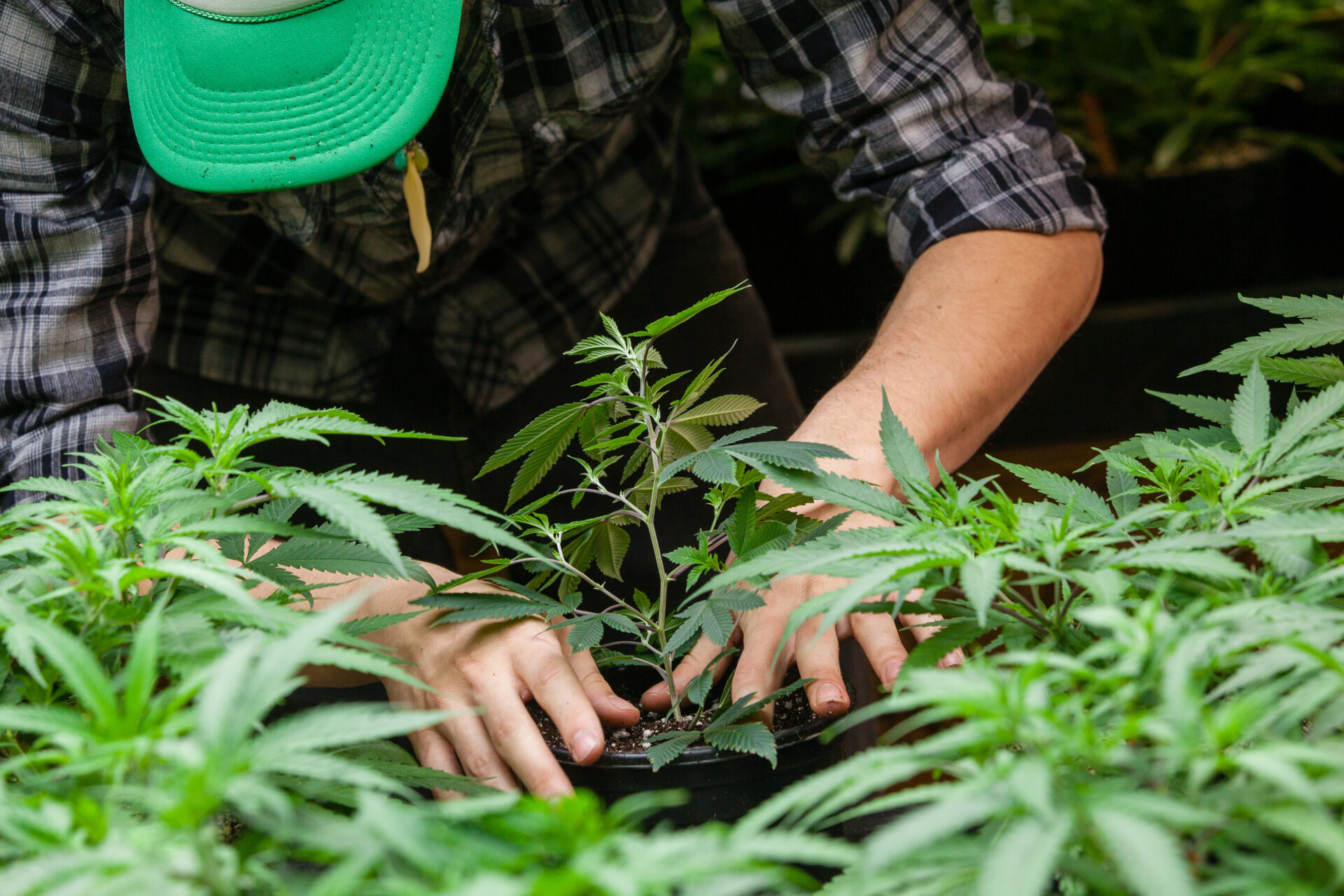
Light, Maturity, and Other Growing Conditions Matter Too
Purple coloration is rarely controlled by one factor alone.
Light intensity, plant maturity, nutrient availability, temperature, and other environmental conditions can all influence how pigments develop. However, these factors should not be treated as simple switches that guarantee a certain color.
Light exposure
Plants use complex biochemical pathways to respond to light. In many plant species, light can influence anthocyanin production, and cannabis research continues to explore how different environmental conditions affect pigmentation.
Plant maturity
Some flowers develop stronger purple tones as they mature. This can happen as pigment concentrations change and chlorophyll becomes less visually dominant.
Plant stress
Environmental stress may affect pigment expression, but purple color should not automatically be interpreted as evidence of stress. Many genetically purple cultivars express their color naturally under normal cultivation conditions.
The safest takeaway is simple: a purple cannabis flower usually reflects an interaction between genetics and growing conditions—not a single trick or one-variable explanation.
Does Purple Cannabis Flower Mean Higher Potency?
No. Purple color alone does not tell you how strong a cannabis flower is.
Anthocyanins are pigments. Cannabinoids such as THC, THCA, CBD, and others are different compounds produced through different biological pathways. A flower can be intensely purple and have a moderate cannabinoid profile, while a bright green flower can have higher measured cannabinoid concentrations.
That is why appearance should never replace actual product information.
When evaluating cannabis, check the label and available testing information rather than assuming darker color means stronger effects. Our guide on how to read cannabis labels, THC percentages, terpenes, and more explains what those numbers can tell you—and what they cannot.
The same principle applies to aroma and flavor. Purple coloration does not automatically determine a flower’s terpene profile. Terpenes are aromatic compounds that contribute to the scent and flavor of different cultivars, and two purple flowers can smell completely different depending on their genetics and terpene composition.
Does Purple Color Mean Better Quality?
Not necessarily.
A purple cannabis flower can be visually striking, but color by itself is not a complete quality standard. Quality involves multiple factors, including:
- freshness
- aroma
- moisture level
- trichome condition
- proper handling
- storage
- transparent labeling and testing information
A vivid purple flower can still be overly dry, poorly stored, or past its best condition. Likewise, a green flower can be fresh, aromatic, well-cured, and carefully handled.
Color is one piece of the visual story—not the final verdict.
For a fuller evaluation checklist, read our article on 10 tips for finding quality cannabis.
Purple Pigments and Trichomes Are Not the Same Thing
One of the easiest mistakes to make is confusing purple pigmentation with trichome coverage.
Anthocyanins create much of the red, blue, and purple coloration visible in the plant tissue itself. Trichomes are tiny resin-producing structures found on the surface of cannabis flowers and nearby leaves. Under the right lighting, they can give the flower a frosty, sparkling, or crystal-like appearance.
These are separate features.
A purple cannabis flower may have heavy trichome coverage, light trichome coverage, or something in between. The purple color does not create the trichomes, and trichomes do not create the purple pigmentation.
Looking closely at both features can tell you more about the flower’s appearance, but neither should be used alone to make sweeping assumptions about the overall experience.
Why Do Some Purple Cannabis Flowers Look Almost Black?
Not every purple cannabis flower has the same shade. Some are bright lavender. Others are burgundy, plum, deep violet, reddish-purple, blue-toned, or so dark they appear nearly black.
Several factors can influence that visual range:
- Genetic variation: Different cultivars produce and accumulate pigments differently.
- Pigment concentration: Higher concentrations of anthocyanins can create deeper, more saturated tones.
- Chlorophyll levels: Green chlorophyll can mix visually with purple pigments and change the final appearance.
- Flower maturity: Color can deepen or shift as the plant develops.
- Environmental conditions: Temperature, light, and other growing variables can influence pigment expression.
- Lighting and photography: Store lighting, camera processing, and screen settings can make the same flower look more blue, red, or purple than it does in person.
Can Cannabis Flower Turn Purple After Harvest?
Cannabis flower does not continue normal living growth after harvest, so it will not suddenly develop purple genetics that were never expressed on the plant.
However, appearance can change over time. Drying, curing, oxidation, light exposure, moisture loss, and aging can alter how colors look. Green tones may fade, darker pigments may become more noticeable, and an old flower can look duller or browner than it did when fresh.
That does not mean aging improves purple color or quality.
Proper storage helps protect freshness, aroma, texture, and the flower’s overall condition. Keep cannabis in a suitable container away from excessive light, heat, air exposure, and unstable humidity. For more practical guidance, see how to store cannabis to keep it fresh.
How to Evaluate a Purple Cannabis Flower
When you see a deeply colored flower, look beyond color and consider these factors:
- Look at the complete color profile. Natural flower often contains a mix of green, purple, orange, and pale trichome tones rather than one perfectly uniform shade.
- Check the trichomes. A frosty surface is visually distinct from purple plant tissue, so look closely enough to separate pigment from resin-producing structures.
- Notice the aroma. Different terpene profiles create different scents, while musty or stale odors may indicate poor condition or storage.
- Consider texture and moisture. Flower that is extremely brittle, unusually wet, or spongy deserves a closer look regardless of its color.
- Read the label and ask questions. Cannabinoid percentages, batch information, testing data, and knowledgeable guidance provide more useful context than appearance alone.
At 42 Degrees, we help customers understand what they are looking at and how different cannabis products compare. Explore our selection of legal THC and cannabis products to learn more about available formats.
Frequently Asked Questions About Purple Cannabis Flower
Is purple cannabis flower stronger than green cannabis flower?
Not automatically. Purple pigmentation comes mainly from anthocyanins, while potency depends on the flower’s cannabinoid profile. Color alone cannot reliably tell you how strong a flower is.
Does cold temperature always make cannabis turn purple?
No. Cooler temperatures can influence anthocyanin accumulation in some cultivars, but the plant generally needs the genetic capacity for purple pigmentation. Cold does not guarantee that every cannabis flower will turn purple.
Is purple cannabis flower always higher quality?
No. Color is only one visual characteristic. Freshness, aroma, moisture, storage, trichome condition, labeling, and testing information are more useful when evaluating overall quality.
Why are some cannabis flowers only purple around the edges?
Partial coloration can happen when pigment expression varies across the flower. Genetics, maturity, temperature, light, and chlorophyll levels may all contribute.
Does purple cannabis flower have a different flavor?
Not necessarily. Color and flavor come from different groups of compounds. Terpenes play a major role in aroma and flavor, so two purple flowers can have very different sensory profiles.
Can green cannabis flower become purple in storage?
Storage may change or fade existing colors as flower ages, but it does not create a genetic purple trait that was never expressed.
The Real Reason Some Cannabis Flowers Turn Purple
A purple cannabis flower gets its distinctive appearance mainly from anthocyanin pigments. Genetics establish the potential for those pigments to appear, while temperature, maturity, light, chlorophyll levels, and other environmental conditions can influence how strongly the color is expressed.
The result can range from a faint lavender blush to deep violet or nearly black flower.
But the most important lesson is what purple color does not tell you. It does not automatically prove higher potency, better quality, a particular terpene profile, or a specific experience. Those conclusions require more information than appearance alone can provide.
So the next time you see a striking purple cannabis flower, appreciate the biology behind the color—but look at the full picture. Genetics, pigments, trichomes, aroma, freshness, labels, and proper storage all tell different parts of the story.


