
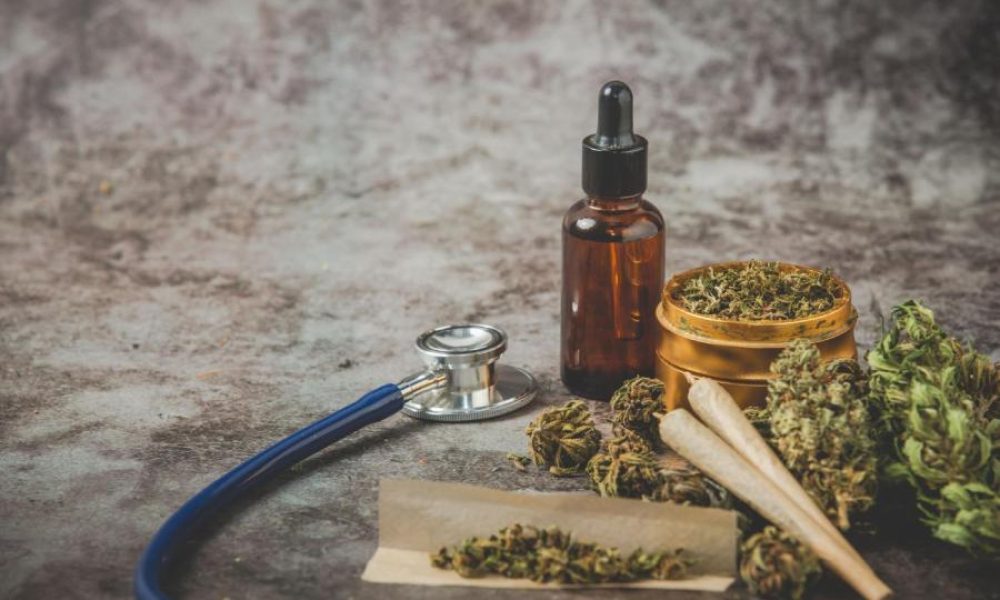
So you finally decided to walk into a dispensary. Congrats. There’s a check-in counter near the door. An ID scanner sits on it. Sometimes a buzzer rings before you can even get in. Past that point, you’re looking at a room full of products you’ve never bought before, staff using vocabulary nobody taught you, and prices that make zero sense without context. Most first-timers stand around looking pretty lost. Honestly, that’s normal.
Here’s the thing though. None of it is hard once you know what the steps actually are. The first dispensary visit follows a fairly standard rhythm at most reputable shops, and what to expect at each part doesn’t change much whether you’re walking in for hemp-derived THC, CBD, kratom, or anything else legal where you live. Buying cannabis for the first time mostly comes down to learning the routine. Below, the routine.
Six stages of a typical visit. Bring an ID. Show up curious instead of stressed. The whole process clicks into place by the second time you do it.
1. Check-In and ID Verification
Every reputable cannabis or legal THC retailer ID-checks at the door. Zero exceptions. Age cutoff varies by product and state. Nebraska, for example, runs 21 and up on any THC product. Including Farm Bill-compliant Delta 9.
What to actually have on you:
- Government photo ID. License, state ID, passport. Military ID works at most spots too.
- The card has to be valid. Stores get strict about this. Even a few days past, no go.
- Has to be a physical card. The phone photo of your ID isn’t scannable.
- Some shops require a backup ID if you’re paying with debit for the first time. A second card in your wallet saves a hassle.
ID gets rejected, don’t take it personally. Staff faces actual legal consequences for selling to anyone whose ID doesn’t verify. Just come back with the right doc. The visit goes smoothly from there.
2. The Lobby and Pre-Sale Stage
Most shops run a two-room layout. Lobby up front. Sales floor in back. The lobby is where check-in happens and where you wait if it’s busy there.
Stuff to know about that part:
- Phones go away. Some shops outright ban photos inside the store. Privacy plus security.
- Cash is fastest. Federal banking rules complicate card transactions for cannabis-adjacent shops, which is why there’s almost always an ATM right on the lobby wall.
- Wait times stay short, five to fifteen minutes on a Saturday afternoon.
- Menus and brochures sit in the lobby for a reason. Use the wait. Figure out roughly what you’re going for so you aren’t staring at the whole menu cold once you’re called up.
When it’s your turn, somebody calls you back. Sometimes that means a counter. Sometimes a separate sales floor is accessed through a door. Either way, the staff member you’re about to talk to isn’t only a cashier. They’re your guide for what’s next.
3. Talking to a Budtender
The person helping you on the sales floor is called a budtender. The job runs product education first, transaction second. A good one asks what you’re trying to accomplish before showing you anything off the shelf.
Stuff that helps the budtender actually help you:
- Tell them your real experience level. First time or used to smoke years ago or tried an edible at a friend’s house once. Each one gets a completely different recommendation.
- Goals in plain English. Sleep. Relaxation. Energy that doesn’t make you anxious. Pain relief. Hanging out with friends. Vocabulary doesn’t have to be technical at all. They translate.
- Mention any meds you’re on, plus health stuff that matters. Cannabis interacts with some prescriptions, and the budtender can flag categories to skip.
- Ask questions. Including the ones you think sound dumb. Trust me, somebody asked the same one yesterday.
A solid budtender won’t try to push the strongest thing in the case at you. They’ll match the product to where you’re at right now. First-timers usually do best with lower-potency edibles, low-THC flowers, or vapes. Not anything labeled high-potency.
4. Reading the Menu
Menus differ shop by shop, but the categories stay pretty consistent across the industry. Roughly what you’ll see laid out:
- Flower. Dried buds for smoking or vaping. Sold by the gram, eighth, quarter, or larger jars. Each strain has its own profile.
- Edibles. Gummies, chocolates, drinks, baked goods. Slower onset, longer effect. Easier to overdo if you’re new to it. Start at five or ten milligrams. Wait two hours before re-dosing. For real, two hours.
- Vapes and cartridges. Pre-filled disposables, or 510-thread carts that need a battery. Faster onset than edibles. The effect doesn’t last as long, though.
- Concentrates, wax, rosin, shatter, sauce, high potency. Generally not where new buyers should kick things off.
- Topicals, creams, balms, salves. No psychoactive effect even with THC in them. Useful for sore spots or skin care.
- Tinctures. Liquid drops under the tongue. Onset somewhere between edibles and vapes.
Most menus print THC content per product, sometimes terpene profiles too. Numbers without context can talk you into something way stronger than what you actually wanted.
5. Payment and Limits
Payment options run narrower than regular retail. Cash is universal. Debit usually works, sometimes with a small fee. Credit cards mostly don’t.
Few practical things to keep in mind:
- Cash on you, or hit the in-store ATM on your way in. Fees usually run $3 to $5.
- Purchase limits depend on your state and the product category. Nebraska doesn’t cap hemp-derived THC the way licensed-cannabis states cap their flower. Other states absolutely do. Worth asking if you’re buying in volume.
- Loyalty programs are worth it. Shop has one; if you plan on coming back, signing up your first visit takes two minutes and pays you back over time.
- Receipts go in the bag. Hang onto them. Some products have return windows, and the receipt is your only proof.
Tipping a budtender isn’t expected, just appreciated. A couple bucks at the counter for somebody who actually walked you through a confusing menu, fair gesture.
6. Packaging and What You Leave With
Cannabis and legal THC products come out of the store in child-resistant packaging. Some states require sealed exit bags on top of that. Some don’t. Either way, what you leave with looks pretty different from a regular shopping bag.
Stuff worth knowing on your way out:
- Child-resistant containers. Designed to be difficult for kids, easy for adults. They feel weird at first. Push and twist, or pinch and pull. Try it once before you leave.
- Edibles ship with dose markings and full ingredient lists. Read both before you eat any of it.
- Storage matters more than people think. The flower stays fresher in glass than the bag it came in. Edibles last longer, cool and dark. Vapes shouldn’t sit in a hot car. Pretty much never.
- Discretion if you’re in a rideshare or going home on transit. Sealed in your bag, not visible. Open-container rules on cannabis vary by area.
Most reputable shops cover storage and dosing on the way out if you’re new. They don’t mention it; ask before you walk.
What a Smooth First Visit Looks Like
A good first visit takes maybe 15 minutes. Half an hour if you’re asking lots of questions. Walk in with an ID, talk through goals with the budtender, and leave with one or two products you understand how to use. Nothing about the process is mysterious. Most people figure out the rhythm by the second or third trip and stop thinking about it.
For Omaha, Lincoln, and Bellevue residents looking to walk into a first visit with staff who will actually walk you through what works for you, 42 Degrees has built its reputation on knowledgeable budtenders, lab-tested products, and a no-pressure approach that lands well for people still figuring out what they like.
https://www.magnific.com/free-photo/metal-grinder-weed-canabis-oil-joint-posing_7365458.htm#fromView=search&page=1&position=0&uuid=839b7978-0501-42a9-a2fc-6fef4b2fa032&query=cannabis+dispensary


